
Useful Budget Kitchen Tools That Are Worth It
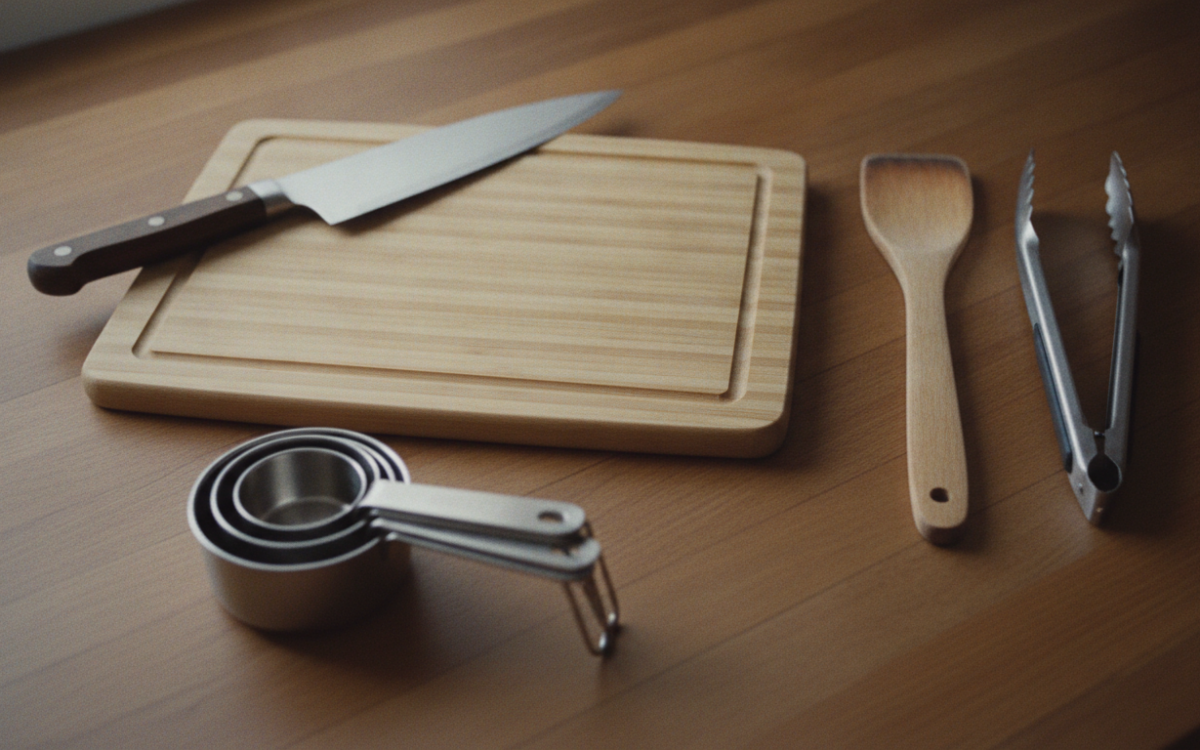
Quick answer: Budget kitchen tools are low cost items that still do the job well, like a sharp knife, measuring cups, and a sturdy spatula. Look for solid build, good reviews, and simple design. Skip fancy gadgets you will rarely use and focus on basics you reach for daily.
Key Takeaways
- Budget kitchen tools work best when they are simple and well built.
- A sharp knife and a cutting board matter more than fancy gadgets.
- Read reviews and feel the weight before you decide value.
- Skip single use gadgets that only do one small job.
- Price does not always mean quality, so compare carefully.
You do not need a pricey kitchen to cook good food. You just need the right basics. Smart shoppers know that budget kitchen tools can last for years if you pick them with care. Below I will show you how to choose well and skip the junk.
What are the best budget kitchen tools to start with?
The best budget kitchen tools are the ones you use almost every day. Think of a sharp knife, a cutting board, and a few sturdy spoons. These do the heavy lifting. Fancy items often just sit in a drawer.
Here is a simple starter list. Each one earns its space.
- A chef knife that holds an edge.
- A solid cutting board, wood or thick plastic.
- Measuring cups and spoons.
- A heat safe spatula.
- A mixing bowl or two.
- Tongs with a firm grip.
Start here. Add more only when you feel a real need.
How do you judge value in budget kitchen tools?
Judge value by build, not just price. A cheap tool that breaks fast is not a deal. Pick up the item if you can. Feel the weight. A good handle feels firm, not hollow.
For example, a knife should feel balanced in your hand. A spatula should not bend too much under light pressure. Also check how parts connect. Screws and rivets hold up better than glue. Seams that pull apart are a bad sign.
Read reviews too. Look past the star rating. Read the one and two star notes. They tell you what breaks and when. That is where the truth hides.
Why does simple design matter for budget kitchen tools?
Simple design matters because fewer parts means fewer things to fail. A gadget with motors, buttons, and tiny pieces often breaks sooner. It also costs more to replace.
Budget kitchen tools that stay simple tend to last. A plain whisk beats a battery powered one for most jobs. A manual can opener rarely dies. Because of this, simple tools often win on long term value.
Also, simple tools are easier to clean. Food gets stuck in tight corners and small gaps. If you can wash it fast, you will use it more. That alone raises its worth.
Which budget kitchen tools are worth skipping?
Skip single use gadgets. These do one tiny task and take up space. An avocado slicer, an egg separator, a garlic peeler tube. A knife and your hands do all of these jobs just fine.
Also be careful with trendy items you see online. Many look clever in a video but fall short at home. Before you buy, ask yourself one thing. Will I use this more than a few times a year? If not, pass.
Watch out for sets too. A big set looks like a great deal. But half the pieces may stay unused. Sometimes two or three good tools beat a cheap set of twenty.
How do you spot a real deal on budget kitchen tools?
Spot a real deal by knowing the normal price first. Track an item for a while before you buy. That way a sale looks real, not just dressed up. A fake markdown is still a bad buy.
Compare across a few stores. Check the return policy too. A flexible return window lowers your risk. If a tool fails fast, you want an easy way to send it back.
Be careful with claims that sound too good. For honest guidance on avoiding scams and shady sellers, see the FTC. They explain your rights in plain terms.
Where should you shop for budget kitchen tools?
Shop where you can see reviews and return policies clearly. Big online stores, restaurant supply shops, and even thrift stores all work. Restaurant supply tools are built to take a beating, and they often cost less than fancy home brands.
Thrift stores hide gems too. Old metal tools and heavy pans last for decades. Just check for rust, cracks, or loose handles. A quick clean can bring them back to life.
Also sign up for alerts on items you want. Prices move over time. A little patience often saves real money on budget kitchen tools you already planned to buy.
A few final buying tips
Buy slow. Add tools as you learn how you cook. You will waste less money that way. Also, care for what you own. A sharp, clean knife beats a dull new one every time.
Remember, good cooking comes from habit, not gear. The right budget kitchen tools just make the work easier. So shop smart, pick simple, and enjoy the time you spend in the kitchen.
Frequently Asked Questions
Are budget kitchen tools as good as expensive ones?
Often yes, for daily jobs. Many budget kitchen tools match pricey ones in how they perform. The difference shows up in looks or brand name, not always in use. Focus on build quality and reviews. A well made cheap tool beats a flashy one that feels hollow or breaks fast.
What is the one tool I should spend a little more on?
A chef knife. It does the most work in any kitchen. A slightly better knife holds its edge longer and feels safer to use. You do not need the top brand, just one with a solid handle and good steel. Keep it sharp and it will serve you for years.
How can I tell if a kitchen tool will last?
Check the build. Firm handles, strong rivets, and thick material last longer than thin, hollow parts. Read low star reviews to learn what breaks. Also feel the weight if you can. A tool that feels sturdy in your hand usually holds up better over time than a flimsy one.
Should I buy a big kitchen tool set to save money?
Not always. Big sets look cheap per piece, but you may only use a few items. The rest take up space. Often two or three good standalone tools give better value. Buy a set only if you know you will use most of it. Otherwise, build your kit slowly.
Are thrift store kitchen tools safe to buy?
Many are great buys. Old metal tools and heavy pans often last for decades. Check for rust, cracks, and loose handles before you buy. Give them a good clean at home. Skip anything with deep damage or a worn nonstick coating, since that can flake over time.
How do I avoid overpaying during a sale?
Know the normal price first. Watch an item for a while so you can spot a fake markdown. Compare a few stores and check the return policy. A real deal holds up to comparison. If the discount only appears on one site with no history, be careful.
For more, see our Product Recommendations picks.
Prices and availability change often. Always check the current price and the full details on the seller’s own page before you buy.