
Items Worth Spending More On: A Smart Guide
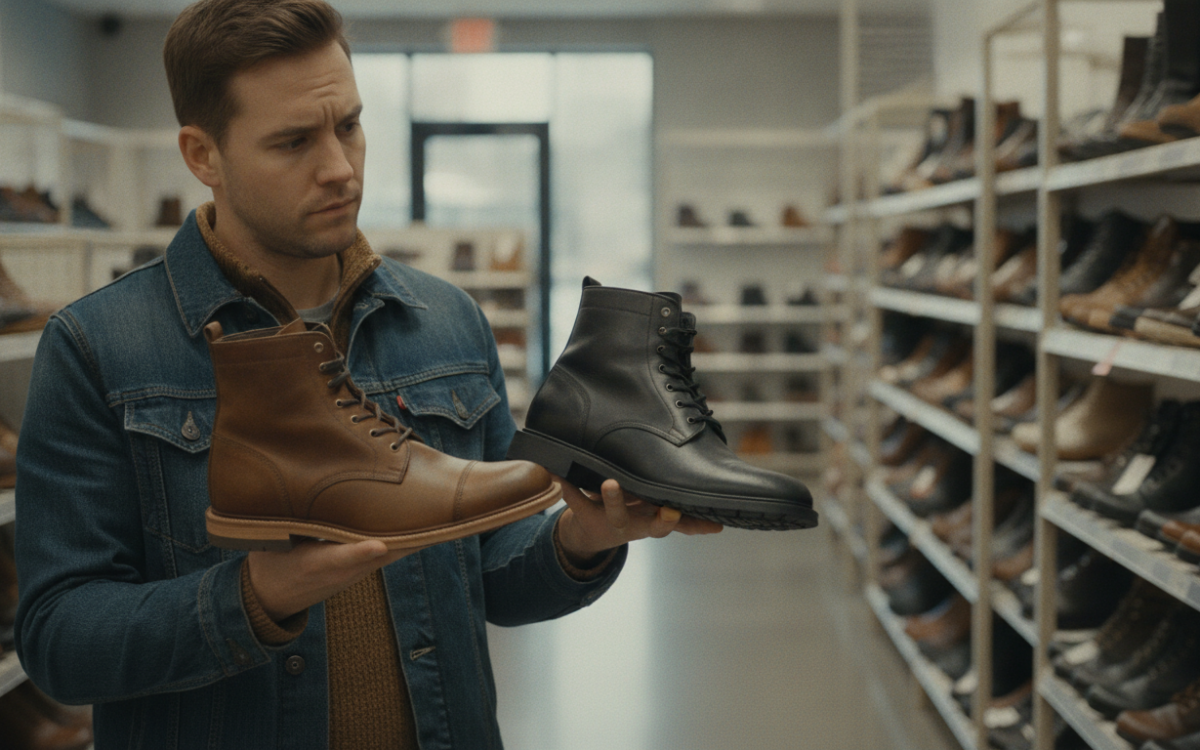
Quick answer: Items worth spending more on are things you use a lot, that wear out fast, or that protect your health and safety. Think mattresses, shoes, tools, and tires. Paying more for quality here often saves money later because you replace them far less often.
Key Takeaways
- Spend more on things you use daily and rely on, like shoes and a mattress.
- Cheap versions of hard working items often cost more over time from repeat buying.
- Check reviews, warranty, and materials before paying extra for quality.
- Not everything deserves a splurge, so save on trendy or rarely used stuff.
Some stuff is fine cheap. Other stuff is not. The trick is knowing the difference. Buying the lowest price can feel smart. But it can cost you more later. Below are the items worth spending more on, and how to judge when the extra money is really worth it.
What are the items worth spending more on?
The items worth spending more on are things you use every day, things that wear out fast when cheap, and things tied to your safety. A good mattress is a classic example. So are shoes, tires, and tools. These touch your life a lot. Quality pays off here.
Here is a simple list to start with:
- Mattress and pillows, because sleep matters and they last years
- Shoes you wear often, since cheap soles break down fast
- Tires and car parts, because safety is on the line
- Kitchen knives and cookware that last decades
- A good backpack or bag you carry daily
- Winter coats and rain gear that must hold up
Notice the pattern. These are used hard and often. That is the signal to pay more.
Why do some items worth spending more on save money?
They save money because you buy them once instead of many times. A cheap pair of boots might fall apart in months. You buy them again and again. A well made pair could last years. Add up the repeat buys. The pricey option often wins.
This is sometimes called cost per use. Take the price. Divide it by how many times you use it. A sturdy winter coat worn all season for years costs pennies per wear. A flimsy one you toss costs much more in the end. For more help spotting real value, check out Consumer Reports.
How do you judge if an item is worth the extra money?
Look at how you will use it, then check the build. Start with honest questions. Will I use this often? Does it need to last? Does cheap mean it fails fast? If yes, lean toward quality.
Next, dig into the details. For example:
- Read real owner reviews, not just the star rating
- Check the warranty length, since longer often means better made
- Look at materials, like solid metal over thin plastic
- Search for repair options and spare parts
- See if the brand has a return policy you can trust
Also, watch for sales on the quality version. You do not always pay full price. Patience helps. The items worth spending more on go on sale too, so wait for a good moment.
What items are not worth the splurge?
Plenty of things do not need the extra money. Trendy clothes you will wear a few times. Gadgets that update every season. Basic phone cases and cables. Party supplies. For these, the cheap pick works fine.
Also think about kids items. Kids grow fast. A top dollar coat gets outgrown in a year. Hand me downs and budget picks make more sense there. The goal is matching your money to real value, not just chasing the priciest option.
How do you avoid overpaying on quality items?
Paying more does not mean grabbing the first expensive thing. Sometimes a high price just means a famous name. Compare a few brands. Look past the logo. A mid priced item with great reviews can beat a luxury one.
Here are simple ways to shop smart on the items worth spending more on:
- Compare at least three options before you buy
- Read the one and two star reviews for warning signs
- Check if the warranty actually covers normal wear
- Wait for seasonal sales on big ticket items
- Buy used or refurbished for tools and furniture
Refurbished can be a hidden win. Many sellers test and guarantee these. You get the quality for less. Just confirm the return window first.
How does cost per use help you decide?
Cost per use turns a scary price tag into a fair number. It shows the true value over time. A one time cost spread across years of use is often small.
Try this. Say a backpack costs more than you like. Think about daily use for several years. Divide the price by all those days. Suddenly it looks cheap. Now do the same with a bargain bag that lasts a few months. The math flips. This is how the items worth spending more on prove their worth.
A quick wrap up
Spend more where it counts. Save where it does not. Focus on things you use daily, things that wear out fast, and things tied to safety. Skip the splurge on trends and rarely used stuff. Shop smart, compare well, and let quality earn its price.
Frequently Asked Questions
Are expensive items always better quality?
No. A high price can just mean a famous brand or fancy packaging. Always compare reviews, materials, and warranty across a few options. Sometimes a mid priced pick beats a luxury one. Judge the build and real owner feedback, not just the price tag or logo.
What is the easiest way to know if I should spend more?
Ask how often you will use it and whether cheap versions fail fast. If you use something daily or rely on it for safety, pay more for quality. For things used rarely or outgrown quickly, a budget option usually makes the smarter choice.
Do quality items ever go on sale?
Yes, often. Even well made products drop in price during seasonal sales and clearance events. You do not have to pay full price for quality. Be patient, track the item, and buy when the price fits your budget instead of rushing the purchase.
Is buying used a good way to get quality for less?
It can be. Refurbished tools, furniture, and some electronics offer real quality at lower prices. Many sellers test and guarantee these items. Just check the return window and warranty first. Buying used helps you afford the good stuff without paying the full new price.
What items are a waste of extra money?
Trendy clothes, fast changing gadgets, basic cables, party supplies, and kids items they outgrow quickly. These do not need a splurge. The cheap version works fine. Save your extra money for daily use items and safety related purchases where quality truly pays off over time.
For more, see our Product Recommendations picks.
Prices and availability change often. Always check the current price and the full details on the seller’s own page before you buy.