
Beginner Guide to Buying a Camera That Fits You
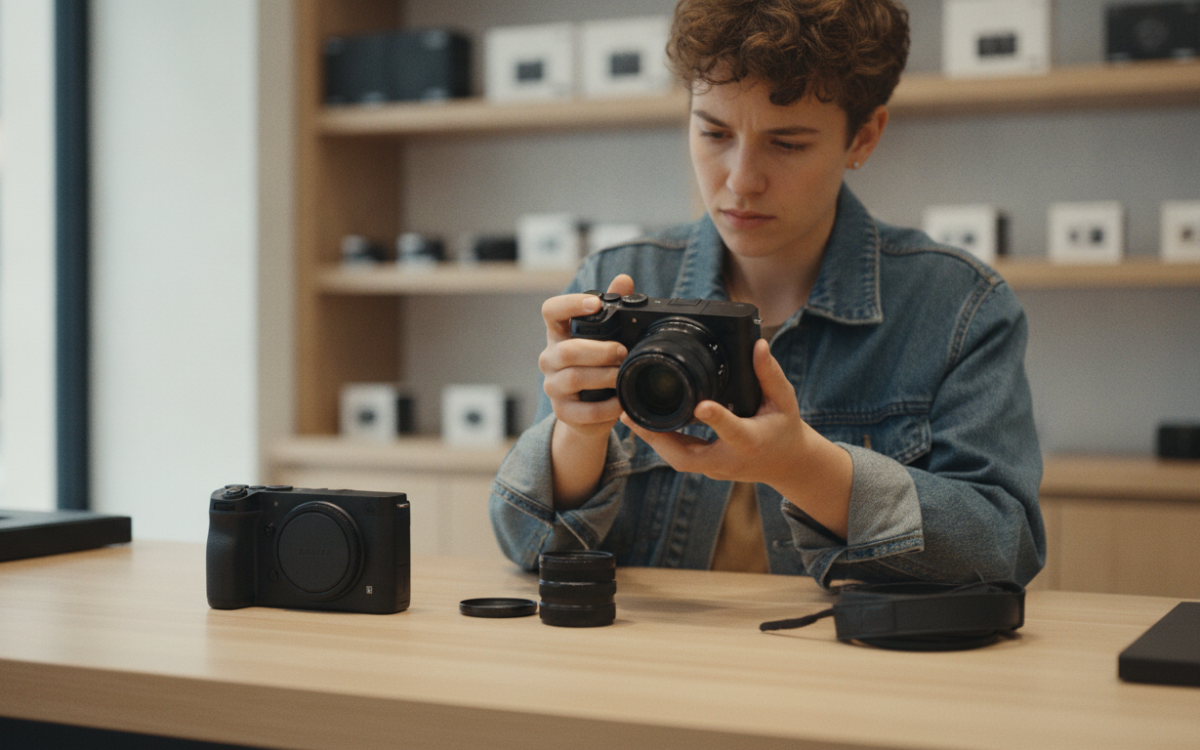
Quick answer: When buying a camera, start with how you will use it. Pick a type that fits your needs, then compare image quality, lens options, and ease of use. Set a budget, read real reviews, and avoid paying extra for features you will never touch.
Key Takeaways
- Choose a camera type based on how you shoot, not on the biggest spec sheet.
- Lenses matter more than megapixels for photo quality.
- Set a clear budget before buying a camera so you avoid overpaying.
- Read honest reviews and test the handling before you decide.
- Consider last year’s models to get strong value.
What should you think about first when buying a camera?
Start with how you plan to use it. That one answer shapes every other choice. A camera for travel is not the same as one for sports or family photos.
Ask yourself a few simple questions. Do you want something small to carry every day? Do you want to film videos? Do you want to grow your skills over time? Your honest answers point you to the right type.
Also think about weight and size. A big camera gets left at home. The best camera is the one you actually bring with you.
What are the main types of cameras?
There are a few common types, and each one has a job it does well.
- Phone cameras. Great for most people. Easy and always with you.
- Point and shoot. Small and simple. Good for travel.
- Mirrorless. Compact bodies with changeable lenses. Very popular for beginners.
- DSLR. Bigger, with great battery life and lots of used lenses around.
- Action cameras. Tough and tiny. Good for sports or water.
For most new shooters, a mirrorless camera hits a sweet spot. It is light, flexible, and easy to learn.
Why do lenses matter more than megapixels?
Lenses shape your photos more than the number of megapixels. A good lens gives sharper images and better light handling.
High megapixel counts look great on a box. However, most people never print huge photos. So chasing the biggest number often wastes money. When buying a camera, check what lenses it supports and how much they cost. A cheap body with pricey lenses can add up fast.
Also, look for a system with a kit lens included. That lets you start shooting right away without extra spending.
How do you set a smart budget before buying a camera?
Set your total budget first, then work backward. Remember the camera body is only part of the cost.
Plan for the extras too. You may need a memory card, a spare battery, and a bag. These add up. So leave room in your budget for them.
Here is a tip. Last year’s models often work almost as well as the newest ones. Makers release updates often, but the changes are usually small. Buying a slightly older model can save real money with little trade off.
Watch prices over a few weeks before buying a camera. Prices move during big sale events. If you track them, you learn what a fair price really looks like. For more on smart shopping habits, see Consumer Reports.
How do you compare cameras the right way?
Compare cameras on the things you will actually use. Ignore the features that sound cool but sit unused.
Focus on these points:
- Image quality in normal and low light
- How easy the menus feel to you
- Lens choices and their cost
- Battery life for a full day
- Size and weight for daily carry
Read reviews from real users, not just the maker’s page. Look for patterns. If many people mention the same problem, take it seriously. Video reviews help too, since you can see the camera in action.
Should you buy new or used when buying a camera?
Used gear can be a great deal, but you need to check it carefully. Cameras last a long time if treated well.
When buying a camera used, ask about the shutter count. That number shows how much the camera has been used. Also check for scratches on the sensor and lens glass. Ask for clear photos before you pay.
Buy from sellers with good return policies. A short return window protects you if something is wrong. Certified refurbished items from trusted sellers can be a smart middle path. You get a tested product with some warranty.
How do you avoid overpaying?
Avoid paying for features you will never use. Fancy specs raise the price but may not help your photos.
Watch for bundle deals. Sometimes a kit with a lens and card costs less than buying each piece alone. However, check that the bundled items are ones you actually want. A cheap bag you toss out is not a real saving.
Be careful with extended warranties. They sound safe, but many cost more than they return. Read the terms first. Also skip the pushy upsells at checkout. Buying a camera should feel calm, not rushed.
Final thoughts
Take your time and match the camera to your life. The right choice is the one you enjoy using and can afford without stress. Compare honestly, track prices, and shop smart. Happy snapping.
Frequently Asked Questions
Is a mirrorless camera good for beginners?
Yes, a mirrorless camera is a strong choice for beginners. It is light, easy to learn, and lets you change lenses as you grow. Many models offer helpful auto modes. When buying a camera as your first, mirrorless gives a good mix of quality and simple handling.
Do I need a lot of megapixels?
No, most people do not need a high megapixel count. Extra megapixels help only with large prints or heavy cropping. For everyday photos and social media, a mid range count is plenty. Spend your money on good lenses instead, since they affect your images more.
Is it okay to buy a used camera?
Yes, used cameras can save real money if you check them well. Ask about shutter count and inspect the lens glass and sensor. Buy from sellers with a return policy. Certified refurbished options are a safer bet since they are tested and often carry some warranty.
How much should I spend on my first camera?
Spend only what fits your budget comfortably, and plan for extras. A card, spare battery, and bag add to the total. Last year’s models often give great value for less. Decide your full limit first, then shop within it to avoid overpaying for unused features.
What accessories do I really need at the start?
Start simple. You need a memory card and often a spare battery. A basic bag protects your gear. A cleaning cloth helps too. You can add a tripod or extra lens later. Do not buy every accessory at once, since many sit unused and waste money.
For more, see our Buying Guides picks.
Prices and availability change often. Always check the current price and the full details on the seller’s own page before you buy.