
How to Pick Running Shoes That Fit
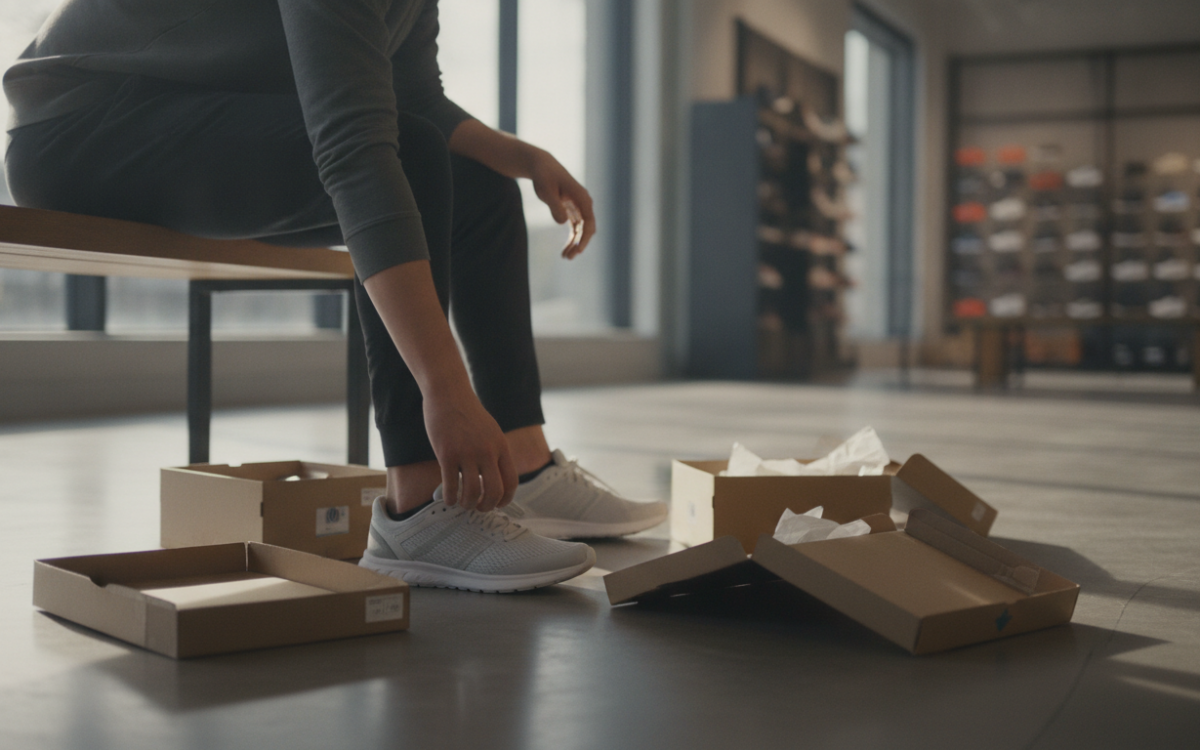
Quick answer: To find running shoes that fit, measure both feet late in the day, leave a thumb width at the toe, and make sure the heel stays snug. Try them with your running socks. Walk and jog a bit. Good fit means no pinching, rubbing, or sliding.
Key Takeaways
- Measure both feet, since one is often slightly bigger.
- Leave about a thumb width of space at the front.
- Shop later in the day when feet are at their largest.
- Your heel should feel locked in with no slipping.
- Always test shoes with the socks you plan to run in.
Good shoes can make running feel easy. Bad ones make every step hurt. The trick is finding running shoes that fit your feet, not just the sale sticker. Let me walk you through it.
Why do running shoes that fit matter so much?
Running shoes that fit protect your feet from blisters, sore spots, and wasted money. Your feet take a lot of pounding when you run. A shoe that is too tight can pinch. A shoe that is too loose lets your foot slide. Both cause pain.
Also, a shoe that fits lets you run longer. You stop thinking about your feet and just move. That is the goal. So fit beats style, color, and brand every time.
How do you measure your feet the right way?
Start by measuring both feet, because most people have one foot bigger than the other. Always fit to the larger one. Measure late in the day too. Feet swell as you walk and move. A fit that feels great in the morning may feel tight by night.
Here is a simple way to check at home:
- Stand on a sheet of paper with your weight down.
- Trace around each foot with a pen held straight up.
- Measure length and width in millimeters.
- Compare your numbers to the brand size chart.
Sizes change between brands. For example, a size in one brand may run small in another. So never trust the number alone. Trust the measurement.
What makes running shoes that fit feel right?
Running shoes that fit feel snug in the heel and roomy in the toes. When you try them on, check a few things. Your heel should not lift when you walk. There should be about a thumb width of space in front of your longest toe. The widest part of your foot should sit in the widest part of the shoe.
Wiggle your toes. You want room, not squeeze. Then stand up and let your foot spread. A shoe that fits sitting down may feel tight once you stand. Because of that, always test while standing and moving.
How should you test the fit before buying?
Test shoes by walking and doing a short jog if the store allows it. Bring the socks you actually run in. Thick socks and thin socks change the fit a lot. Lace the shoes the way you normally would. Then move.
Watch for these signs of a bad fit. Your heel slips with each step. Your toes bump the front. The sides press in. Any hot spot means a blister later. A good fit feels smooth and quiet on your feet.
If you shop online, order from a seller with free returns. Walk around indoors on clean carpet so you can send them back if needed. Also check the return window before you buy.
How do you judge value without overpaying?
Judge value by comfort and how long the shoe lasts, not by the price tag. A cheap shoe that hurts is a waste. A pricey shoe that fits poorly is worse. The best value is the pair that fits well and holds up mile after mile.
Here is how to compare options the smart way:
- Read reviews from real runners, not just star counts.
- Look for notes on sizing. People often say if a shoe runs small or wide.
- Check the return policy so you can swap sizes.
- Compare last season’s models. Older versions often cost less and fit nearly the same.
Sales come and go. However, a shoe that does not fit is never a deal. For more on smart shopping and avoiding bad buys, see Consumer Reports.
What if your feet are wide or narrow?
Many brands make wide and narrow versions, so look for those labels. A wide foot crammed into a standard shoe will hurt on long runs. A narrow foot swimming in a wide shoe will slide. Both lead to blisters.
If you cannot find your width, try a different brand. Shapes vary a lot. Also, lacing tricks can help. Skipping an eyelet can loosen a tight spot. Using the top eyelet can lock a loose heel. Small changes make a big difference.
Common mistakes to avoid
The biggest mistake is buying by the number on the box. Sizes differ, so always try or measure. Another mistake is shopping for looks first. A bold color will not help when your toes ache at mile two.
People also forget about socks. Test with the real thing. And do not rush. Take your time in the store or at home. Finding running shoes that fit is worth a few extra minutes. Your feet will thank you later.
Shop smart, measure well, and never settle for shoes that pinch. The right pair is out there, and it will make every run feel better.
Frequently Asked Questions
How much toe room should running shoes have?
Leave about a thumb width of space between your longest toe and the front of the shoe. Your feet swell and move forward when you run. That extra room stops your toes from banging the front, which causes black toenails and blisters over long distances.
Should running shoes be a size bigger?
Often yes, running shoes fit about a half to full size larger than your everyday shoes. This gives your feet room to swell and move. But sizing varies by brand, so measure your feet and test the fit rather than trusting the number on the box.
When is the best time to try on running shoes?
Try on running shoes later in the day or after a walk. Feet swell as you move, so they are at their largest then. A shoe that fits in the morning may feel tight by evening. Fitting when feet are swollen gives you the truest result.
How do I know if my running shoes are too small?
Your toes will feel squeezed or hit the front. You may notice red marks, numbness, or hot spots after a short run. If you cannot wiggle your toes freely while standing, the shoe is too small. Size up and test again before deciding.
Do I need to break in running shoes?
A good pair needs little break in. Modern running shoes should feel comfortable from the first steps. A few short runs may soften them slightly. But if a shoe hurts out of the box, it likely does not fit. Return it and try another size or shape.
Can I buy running shoes online and still get a good fit?
Yes, if you measure your feet first and pick a seller with free returns. Walk around indoors on clean carpet so you can send them back if needed. Read reviews for sizing notes. Many runners share if a shoe runs small, wide, or narrow.
For more, see our Buying Guides picks.
Prices and availability change often. Always check the current price and the full details on the seller’s own page before you buy.