
How to Choose the Right Vacuum for Your Home
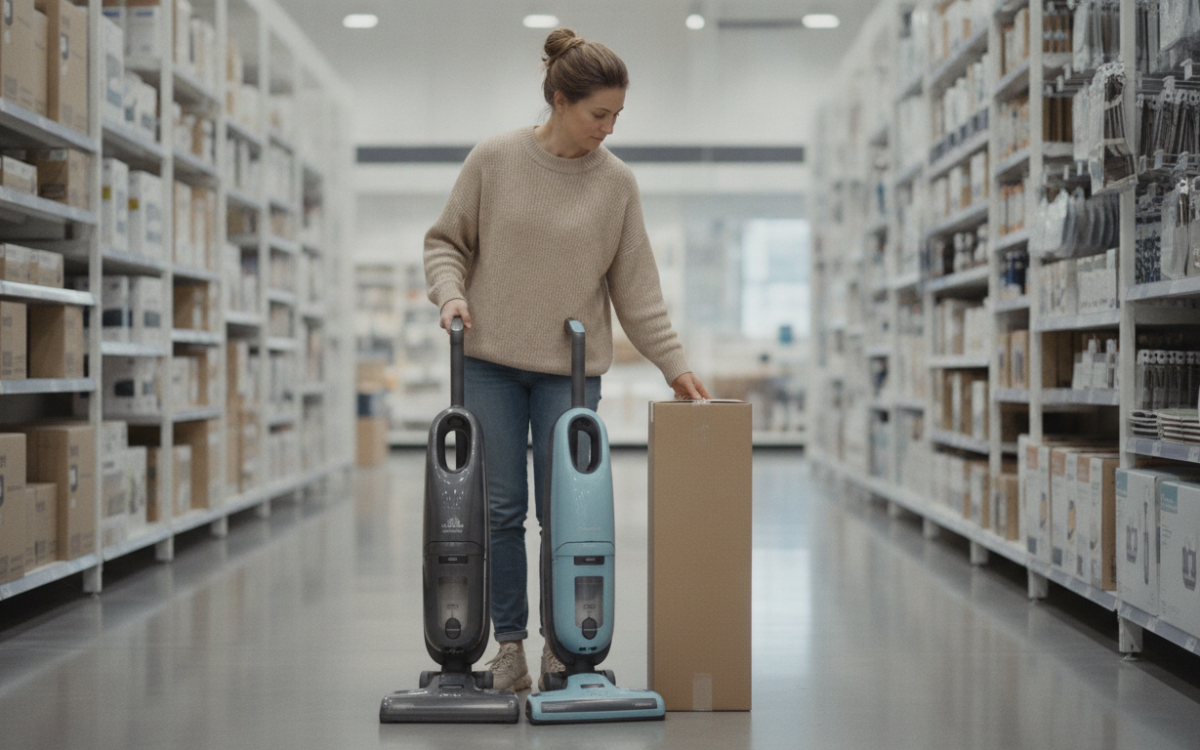
Quick answer: To learn how to choose a vacuum, start with your floor type and home size. Match suction power, filter needs, and style to your daily messes. Then compare brands, warranty, and reviews. Pick one that handles your real cleaning, not just fancy features you will never use.
Key Takeaways
- Match your vacuum to your floors first, then to your mess.
- Corded vacuums run longer, but cordless ones move easier.
- Check filters and bins if you have pets or allergies.
- Read real owner reviews before you trust a sales pitch.
- A good warranty often means better build quality.
Buying a vacuum sounds easy. Then you see all the choices. Upright, stick, canister, robot. It gets confusing fast. So let us slow down. This guide walks you through how to choose a vacuum that actually fits your home.
Why does the right vacuum matter?
The right vacuum saves you time and money. A poor match leaves dust behind and dies early. Also, you end up buying twice.
Think about your home. Do you have carpet, hard floors, or both? Do you have pets? Stairs? Kids who drop snacks everywhere? Your answers shape your pick. Knowing how to choose a vacuum starts with knowing your own mess.
What are the main types of vacuums?
There are a few common styles, and each one fits a different life.
- Upright: Strong on carpet. Good for big homes.
- Stick: Light and easy. Many are cordless. Great for quick jobs.
- Canister: Gentle on hard floors. Good for stairs and tight spots.
- Robot: Hands free. Nice for daily touch ups, not deep cleans.
- Handheld: Small messes, car seats, and couches.
Most people do not need every type. Pick the one that handles your main floor. Then add a small handheld later if you want.
How to choose a vacuum by your floor type
Your floors decide a lot. This is the first big step in how to choose a vacuum.
Thick carpet needs strong suction and a good brush roll. Hard floors need gentle pickup and no scattering. If you have both, look for a model with a brush roll you can turn off. That switch protects your floors and your dust.
Got pets? Look for strong suction and a brush made for hair. Tangle free rollers help a lot. Also check how easy it is to clean the brush.
Corded or cordless: which should you pick?
It depends on your home size and how you clean.
Corded vacuums run as long as you need. They often have stronger steady suction. However, you deal with the plug and the cord. Cordless vacuums move freely and store easy. But the battery runs out, and power can fade near the end. For a small place, cordless feels great. For a big home with lots of carpet, corded may serve you better.
What features really matter?
Focus on the parts you use every day, not the flashy extras.
Look at these first. Suction power. Filter type, especially if someone has allergies. Bin or bag size, since a tiny bin means more trips to the trash. Weight, because a heavy vacuum is a chore to carry upstairs. Also check the attachments. A crevice tool and a dusting brush go a long way.
Skip features you will never touch. Fancy screens and app controls sound cool. But they add cost. When you figure out how to choose a vacuum, value means matching price to real use.
How do you judge value and avoid overpaying?
Compare similar models side by side, not just the price tag.
Look at the warranty length. A longer warranty often hints at better build. Read owner reviews that mention real life, like pet hair or stairs. Watch for complaints about weak batteries or parts that break. One or two bad reviews are normal. A pattern is a warning.
Shop prices across a few stores before you buy. Deals come and go, so a little patience pays off. Sign up for store alerts if a model sits above your budget. For trusted, unbiased ratings, check Consumer Reports before you decide.
How to choose a vacuum you can keep clean
A vacuum only works well if you can maintain it with ease.
Check how filters work. Washable filters save money over time. Bagless bins are cheaper to run, but they can be messy to empty. Bags cost more, yet they trap dust better for allergy homes. Also, make sure you can buy replacement parts. A great vacuum is useless if you cannot find a new filter or brush later.
Think about storage too. A stick vacuum with a wall dock stays handy. A big upright needs closet space. Small details like these shape how often you actually use it.
Putting it all together
Start with your floors. Add your mess, your home size, and your budget. Then pick the type that fits. Compare a few models on suction, filters, weight, and warranty. Read honest reviews. That simple path is really all there is to how to choose a vacuum without regret.
Take your time and shop smart. The right vacuum makes cleaning faster and your home fresher. Match it to your real life, and you will be glad every time you pull it out.
Frequently Asked Questions
What is the best vacuum type for pet hair?
An upright or stick vacuum with strong suction and a tangle free brush works best for pet hair. Look for a sealed filter if anyone has allergies. Easy brush cleaning matters too, since hair wraps around rollers fast. Check reviews from other pet owners before you buy.
Is a cordless vacuum worth it?
A cordless vacuum is worth it for small homes and quick cleanups. It is light and easy to grab. However, the battery limits run time, and suction can fade near the end. For large carpeted homes, a corded model often gives steadier, longer power.
How much should I spend on a vacuum?
Spend based on your floors and how often you clean, not on fancy features. A simple, well built model handles most homes fine. Compare prices across stores and wait for sales if needed. Avoid overpaying for app controls or screens you will rarely use.
Are bagless vacuums better than bagged?
Neither is always better. Bagless vacuums cost less to run since you empty the bin. However, emptying can be dusty. Bagged vacuums trap dust better, which helps allergy homes, but bags cost money over time. Pick the one that fits your health needs and habits.
Do robot vacuums replace a regular vacuum?
No, robot vacuums work best as helpers, not replacements. They handle daily light dust and crumbs well. But they struggle with deep carpet cleaning, stairs, and corners. Most homes still need a regular vacuum for a true deep clean every week or two.
What should I check before buying a vacuum?
Check suction power, filter type, bin or bag size, and weight first. Then look at warranty length and replacement part availability. Read real owner reviews for your floor type and pets. Finally, compare prices across a few stores so you do not overpay.
For more, see our Buying Guides picks.
Prices and availability change often. Always check the current price and the full details on the seller’s own page before you buy.