
Simple Guide to Buying a Washing Machine
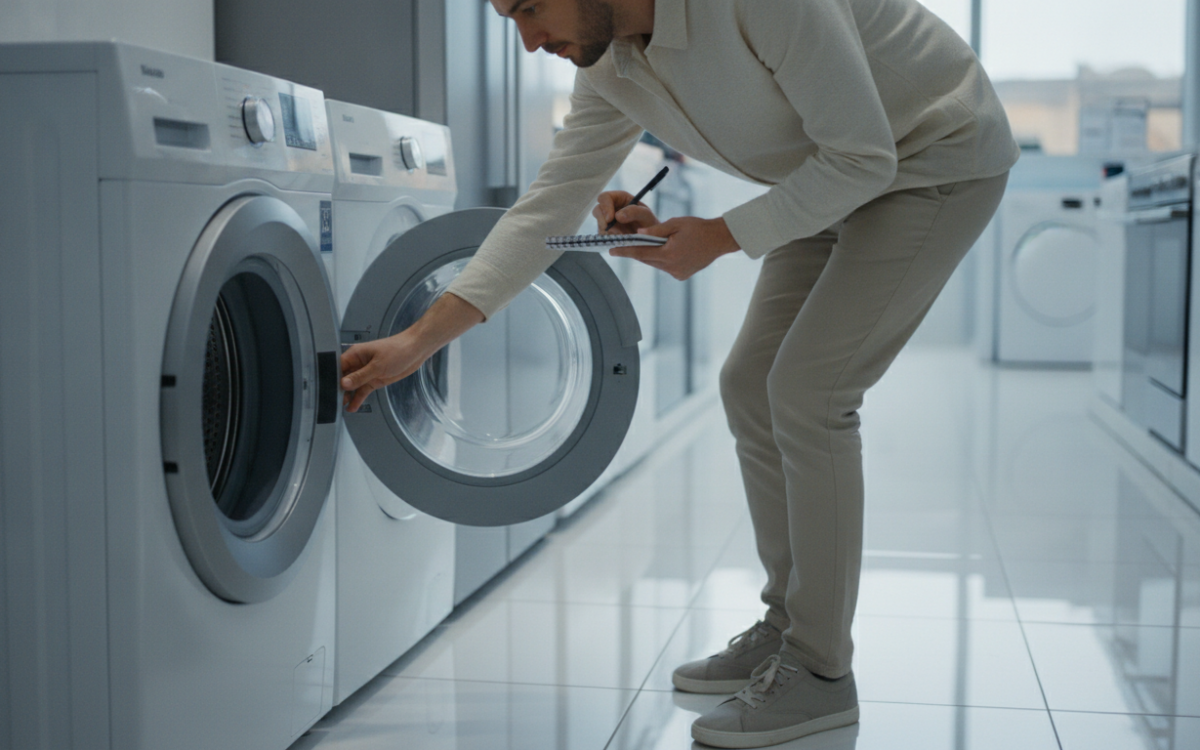
Quick answer: Buying a washing machine starts with your space, your load size, and your wash habits. Compare top load and front load models, check the warranty, and read real owner reviews. Then weigh features against price so you pay for what you truly use.
Key Takeaways
- Measure your space before you shop so the machine fits with room for the door and hoses.
- Front load washers often use less water, but top load models can cost less up front.
- Check the warranty and read owner reviews to judge how well a washer holds up over time.
- Skip fancy features you will never use, because they raise the price without helping you.
What should you know before buying a washing machine?
Before buying a washing machine, know your space, your load size, and how you wash. These three things shape your whole choice. A good washer fits your home and your habits. It should not drain your wallet with features you never touch.
Start by measuring the spot where the machine will go. Leave room for the door to open. Leave room for the hoses and vent at the back. Measure your doorways too, so the machine can get inside.
What types of washers are there?
There are two main kinds, top load and front load. Each has pros and cons. The right one depends on your needs and your budget.
- Top load with an agitator. These wash fast and cost less. However, they can be rough on clothes.
- Top load with an impeller. These are gentler and use less water. The cycle takes longer though.
- Front load. These clean well and save water and energy. However, they often cost more up front.
Think about your daily routine. If you wash big loads often, go bigger. If space is tight, a compact model may fit better. Also, a front load washer lets you stack a dryer on top to save floor space.
How do you compare washers the smart way?
The smart way to compare is to line up a few models side by side. Look at the same key points for each one. That way you judge value, not just looks.
Check the drum size first. A bigger drum washes more at once. But it also costs more and uses more space. Match the size to your real needs. Next, check the spin speed. A higher spin pulls out more water, so clothes dry faster.
Also look at the cycles. Most people use just a few, like normal, delicate, and quick wash. You do not need twenty settings. Pay for the ones you will actually use. For help on comparing appliances fairly, see Consumer Reports.
What features are worth the money?
The features worth paying for are the ones that match how you live. Everything else just adds cost. Be honest about what you need.
Energy use matters over time. A washer that uses less water and power can save you money on bills. Look for that info on the label. A delay start can help if you want the wash to finish when you get home. A steam cycle can help with stains, but it is not a must.
Noise matters too, especially if your laundry is near a bedroom. Quieter machines cost a bit more. Read reviews to learn which ones hum softly and which ones rattle. Buying a washing machine is easier when you focus on real daily use.
Why does the warranty matter when buying a washing machine?
The warranty matters because a washer is a big buy that should last years. A solid warranty shows the maker stands behind the product. It also protects you if something breaks early.
Read the fine print. Some warranties cover parts and labor for a short time. Others cover the motor or drum much longer. Know what is covered and for how long. Also ask how repairs work. A brand with easy local service saves you stress later.
Owner reviews help too. Look for patterns. If many people mention the same problem, take note. A few bad reviews are normal. A pile of the same complaint is a warning sign.
How do you avoid overpaying?
You avoid overpaying by watching prices over time and skipping features you do not need. A deal is only real if the base price was fair to begin with.
Track a model for a few weeks before you buy. Prices on washers move often. Big sale seasons tend to bring better offers. Patience pays off here. Also, check if delivery, hookup, and old machine removal are included. Those extra costs add up fast.
Compare the same model across a few sellers. Make sure you are looking at the exact model number. Brands sometimes sell near copies that look alike but differ inside. Buying a washing machine wisely means reading the model details closely.
Finally, do not get talked into the top model if a mid range one does the same job. The fanciest washer is not always the best fit. The best fit is the one that cleans your clothes well, fits your space, and matches your budget.
Ready to shop?
Buying a washing machine does not have to feel hard. Measure your space, pick your type, and compare a few models the same way. Check the warranty, read honest reviews, and wait for a fair price. Shop slow, shop smart, and you will land a washer you are happy with for years.
Frequently Asked Questions
Is a front load or top load washer better?
It depends on your needs. Front load washers clean well and use less water and energy, but they cost more up front. Top load washers often cost less and wash faster. Think about your budget, your space, and whether you want to stack a dryer on top.
What size washer do I need?
Match the drum size to your laundry habits. A small household can use a compact or medium drum. A big family that washes often needs a larger drum. Bigger drums wash more at once but cost more and take up more space, so pick the size you will truly use.
How long should a washing machine last?
A good washing machine often lasts many years with normal care. The exact life depends on the brand, the build, and how hard you use it. Reading owner reviews helps you spot models that hold up. A solid warranty also points to a machine built to last.
Do I need a washer with lots of cycles?
No. Most people use only a few cycles, like normal, delicate, and quick wash. Extra settings often raise the price without helping you. Focus on the cycles you will actually run. A simpler machine can clean just as well and cost you less money.
When is the best time to buy a washing machine?
Watch prices over a few weeks, since washer prices move often. Big sale seasons and holiday weekends tend to bring better offers. Track the exact model you want. When the price dips and delivery costs look fair, that is a good time to buy.
Should I pay extra for installation and removal?
Check whether delivery, hookup, and old machine removal are included before you buy. These extras can add real cost. Sometimes a seller offers them free, which raises the value. Compare the full price, not just the sticker, so you know what you are really paying.
For more, see our Buying Guides picks.
Prices and availability change often. Always check the current price and the full details on the seller’s own page before you buy.