
How to Track a Price Before You Buy
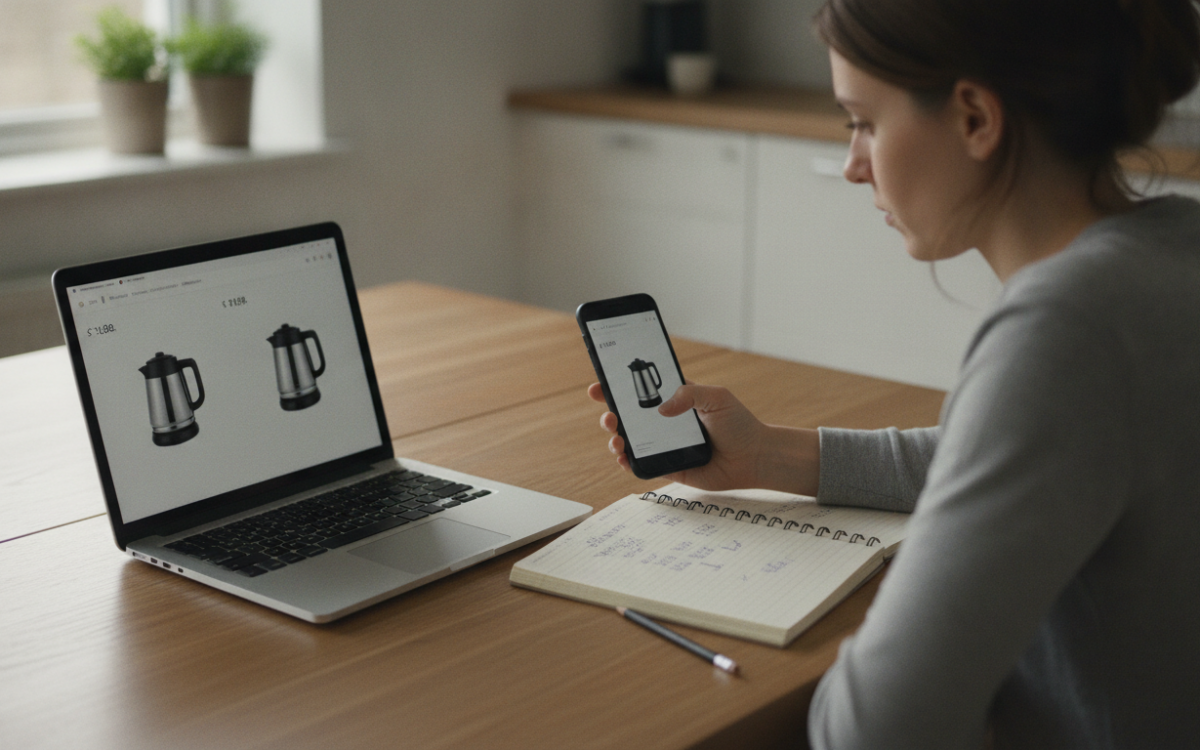
Quick answer: To track a price, watch an item over a few weeks, save its normal cost, and use a price history tool or alert. When you track a price this way, you learn its real range. Then you buy only when it drops below that normal level.
Key Takeaways
- Watch an item for a few weeks to learn its real price range.
- A price history tool shows if a sale is real or fake.
- Set a price alert so you get a ping when it drops.
- Compare the same item across a few stores before you buy.
Why should you track a price before you buy?
You should track a price so you never overpay for something you want. Stores change prices often. A tag that looks like a deal may not be one. When you track a price over time, you see the real pattern.
Here is the thing. A big sale sign feels exciting. But it means nothing if you do not know the normal cost. For example, a price can go up one week and then drop back down. The store calls that drop a sale. It is really just the old price.
How do you track a price step by step?
To track a price, start by watching the item for a few weeks. Write down what it costs each time you check. Soon you will see a range. That range tells you what is high and what is low.
Follow these simple steps:
- Save the item to a wish list or cart so it is easy to check.
- Note the price two or three times a week.
- Use a price history tool to see past highs and lows.
- Set a price alert so you get a message when it drops.
- Buy when the price lands near the low end of its range.
Because you took notes, you can spot a fake sale fast. Also, you will feel calm. You are not guessing anymore. You know the facts.
What tools help you track a price?
Free tools make it easy to track a price without much work. Many browser add ons show an item’s price history right on the page. They draw a little chart. You can see if today is a good day to buy.
Some shopping sites also let you follow an item. When the cost drops, they send you an alert. That saves you from checking every day. However, do not trust one tool alone. Check a couple of sources to be safe.
For more on smart shopping habits, the FTC consumer site shares helpful tips on avoiding sales tricks.
How do you tell a real deal from a fake one?
A real deal drops the price below its normal range, not just below a made up higher number. This is why price history matters so much.
Look at the chart. Did the price sit higher for only a day or two before the sale? That is a red flag. A true low shows up when the price falls under what you have seen for weeks. Because you tracked it, you can tell the difference.
Also watch for pressure words like “only a few left” or a ticking timer. These push you to rush. A good deal does not need to rush you. Take your time and trust your notes.
Should you compare across stores too?
Yes. The same item often costs different amounts at different stores. So compare a few before you buy.
Open the product in two or three places. Check the total, not just the sticker. Shipping, taxes, and fees can change the real cost. For example, one store may show a lower price but charge more to ship. Another may ship free. The free shipping one might win.
Also check the model number. Some stores sell a slightly different version that looks the same but is not. Make sure you compare the exact same thing.
When is the best time to buy?
The best time to buy is when the price hits the low end of the range you tracked. There is no magic day. There is only your own data.
That said, prices often dip around big sale seasons. New models can also push old ones down. If you do not need the item right away, you can wait and track a price a bit longer. Patience often pays.
However, do not wait forever for a perfect low. If the price is fair and you need it, buy. Chasing the lowest price can cost you time and stress. A good deal is good enough.
Common mistakes to avoid
Many shoppers skip the tracking step and buy on impulse. That is the easy way to overpay. Another mistake is trusting the sale sign without checking history.
Also, do not forget quality. A cheap item that breaks fast is not a deal. Read reviews. Check the return policy. A low price only helps if the product is worth owning. When you track a price and still check quality, you shop with real confidence.
Ready to save? Start a wish list today, watch a few items, and track a price before your next buy. Small habits like this add up over time.
Frequently Asked Questions
How long should I track a price before buying?
Try to track a price for two to four weeks if you can wait. That gives you enough checks to see the normal range. If you see a drop near the low end during that time, you can feel sure it is a true deal and buy.
Are price tracking tools free?
Many are free. Browser add ons and shopping site alerts cost nothing to use. They show price history and send you a message when an item drops. Use more than one tool to double check, since no single tool is perfect for every store or item.
Does a sale sign always mean a good deal?
No. A sale sign only means the price went down from some number. That number could be a fake high set days earlier. The only way to know is to track a price and compare the sale to its real past range over several weeks.
Should I buy right away if I see a low price?
If the price matches the low end you tracked and you need the item, go ahead. Do not wait for a perfect bottom price, since you may lose the deal. But always check the return policy and reviews first so you know it is worth it.
Why do prices change so often?
Stores adjust prices based on demand, stock, and competition. Prices can shift many times in one week. That is exactly why you should track a price over time. Watching the pattern helps you ignore the noise and spot a true low when it shows up.
For more, see our Trending Deals picks.
Prices and availability change often. Always check the current price and the full details on the seller’s own page before you buy.